
- August 20, 2025
- 0
- Interior Design, Modular Kitchen
The Ultimate Guide to Modular Kitchens: Design, Functionality, and Trends
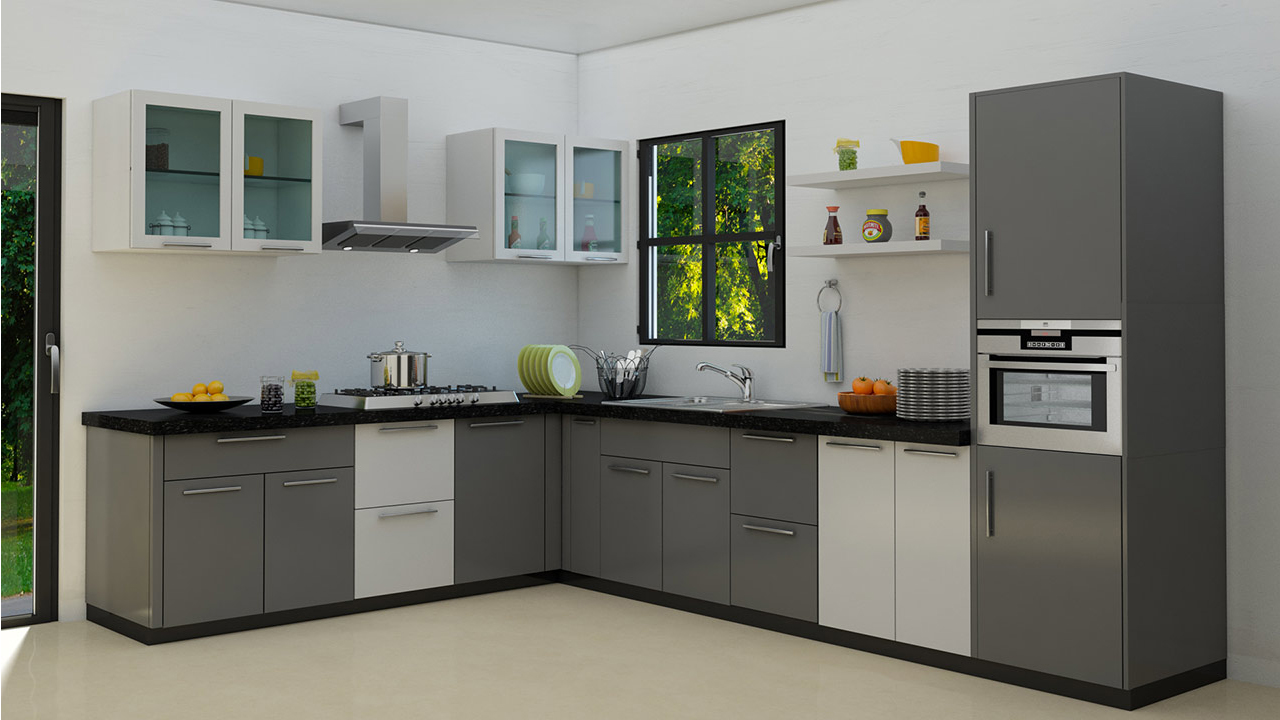
A modular kitchen is more than just a stylish culinary space—it’s a smart, customizable system designed for efficiency, adaptability, and everyday ease. Whether planning a renovation or building from scratch, this guide will help map out layouts, materials, storage, appliances, and 2025 design trends to create a kitchen that works beautifully and looks timeless.
What Is a Modular Kitchen?
A modular kitchen is a pre-engineered system made up of factory-finished modules—base units, wall units, tall units, and accessories—that fit together seamlessly. These modules maximize storage, streamline workflow, and allow flexible customization. Unlike conventional carpentered kitchens, modular systems are easier to maintain, upgrade, repair, and reconfigure over time.
Core Benefits
– Space optimization through smart layouts and tailored storage.
– Easy maintenance with durable, clean-friendly finishes and hardware.
– Faster installation thanks to pre-fabricated modules.
– Customization to suit cooking style, family size, and habits.
– Repairability by replacing individual modules or hardware.
– Future-ready with add-ons like appliance garages, pull-down units, or pantry systems.
Popular Layouts
– Straight (one-wall): Best for compact homes; minimal footprint.
– Parallel (galley): Ideal for narrow kitchens; efficient work triangle.
– L-shaped: Versatile and social; great for corners and open plans.
– U-shaped: High storage and counter space; good for multiple cooks.
– Island: Adds prep, dining, and storage; for larger open layouts.
– Peninsula: Island alternative for mid-sized spaces; adds a breakfast bar.
Tip: Aim for an ergonomic work triangle between hob, sink, and refrigerator to minimize steps.
Smart Storage Ideas
– Tall pantry pull-outs for staples and bulk items.
– Corner solutions such as magic corners, LeMans trays, and carousels.
– Tandem drawers with organizers for pots, pans, and plates.
– Slim pull-outs for oils, spices, and baking trays.
– Skirting drawers to use toe-kick space.
– Overhead lofts for rarely used items.
– Appliance garages to hide small appliances.
– Pull-down wall units for easy access to higher cabinets.
Materials and Finishes
– Carcass: BWR-grade plywood or HDHMR for moisture resistance.
– Fronts: Laminates (durable, budget-friendly), acrylic (high gloss), PU (smooth painted), veneer (warm, natural), glass or fluted glass (lightness, display).
– Countertops: Quartz (low maintenance), granite (hard-wearing), porcelain or ultra-compact surfaces (heat and scratch resistant).
– Backsplash: Quartz upstand, large-format tiles, porcelain slabs, or tempered glass.
– Hardware: Soft-close hinges and quality drawer channels.
Appliances and Fixtures
– Hob: 3 to 4 burners for small families; 5 or more for heavy cooking.
– Chimney: 1,200 to 1,500 m3/h suction for grease-heavy cooking; baffle filters recommended.
– Built-in oven and microwave: Stack or use a combi unit to save space.
– Dishwasher: 12 to 14 place settings; panel-ready options blend with cabinetry.
– Sink: 1.5 or double bowl with drainboard; pair with a pull-out faucet and under-sink organizer.
– Lighting: Layer task (under-cabinet), ambient (ceiling), and accent (shelf or strip).
Ergonomics and Sizes
– Counter height: 860 to 915 mm based on user height.
– Toe kick: 90 to 120 mm for comfort.
– Base depth: about 560 mm; wall depth: 300 to 350 mm.
– Aisle clearance: 900 to 1,100 mm; 1,200 mm if two people cook together.
– Tall units: 2,200 to 2,400 mm for full-height storage.
2025 Design Trends
– Bold colors like deep green, navy, charcoal, and wine paired with warm wood accents.
– Textural contrast using fluted shutters, ribbed glass, and matte stone finishes.
– Integrated minimalism with handleless profiles, push-to-open, and pocket doors.
– Mixed metals such as brushed nickel with brass or black accents.
– Sustainable choices including low-VOC finishes, certified plywood, LED lighting, and water-saving fixtures.
– Smart upgrades like motion-sensor lighting, plug rails, and integrated charging.
Budget Planning
– Entry: Laminates, quartz or granite, essential pull-outs, standard hardware.
– Mid: Acrylic or PU mix, premium hardware, tall pull-outs, integrated lighting.
– Premium: PU or veneer, quartz or porcelain slabs, built-in appliances, advanced mechanisms, and an island or peninsula.
Key cost drivers include finish type, hardware quality, storage mechanisms, appliance selection, and countertop material.
Maintenance Tips
– Wipe spills quickly, especially oil, turmeric, and acidic liquids.
– Use mild cleaners and avoid abrasives on acrylic or PU finishes.
– Degrease chimney filters regularly and schedule servicing.
– Use trivets under hot pots; avoid placing direct heat on counters.
– Keep drawers organized with inserts to reduce wear and rattling.
Sample Floor-Plan Scenarios
– 8 to 9 ft straight kitchen: 60 percent base storage and 40 percent wall units; include a 150 mm spice pull-out.
– 8 by 10 ft L-shaped: add a corner carousel and 450 or 600 mm tandem drawers; wall shelves near the hob.
– 10 by 12 ft U-shaped: dual prep zones, tall pantry, appliance garage, and under-cabinet lighting.
– Open-plan with island: place the sink or hob on the island; add seating overhang and power outlets.
Quick Checklist
– Layout matches cooking habits and family size.
– Adequate ventilation and chimney capacity for cuisine type.
– Power and plumbing points aligned with modules.
– Layered lighting and enough plug points.
– Moisture-resistant carcass and reliable soft-close hardware.
– Warranty and after-sales service confirmed